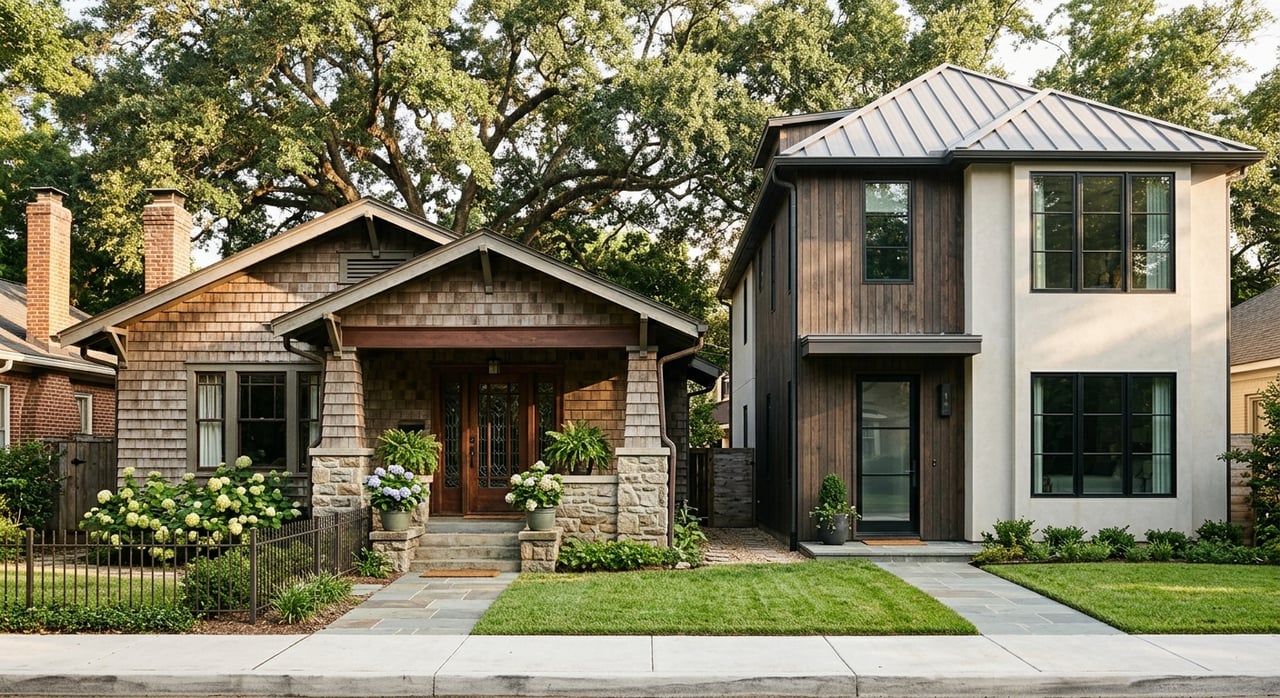
Trying to choose between a classic bungalow and a newer home in Houston Heights? You are not alone. For many buyers, this decision comes down to more than style. It is about how you want to live, how much upkeep you want to take on, and what kind of block-by-block setting feels right to you. This guide will help you compare both options so you can make a more confident move in Houston Heights. Let’s dive in.
Houston Heights Has Two Very Different Paths
Houston Heights is one of Houston’s oldest planned suburbs, first platted in 1891 and later annexed by the city in the late 1910s. Even today, the neighborhood is still known for one- and two-story homes, large windows, porches, and many raised pier-and-beam foundations.
That said, the Heights is not one uniform housing market. Some blocks have historic district rules, some have deed restrictions, and some are affected by minimum building line or minimum lot size rules. In practical terms, you cannot judge a home here by the neighborhood name alone. You need to judge it block by block.
What a Heights Bungalow Usually Means
In Houston Heights, a bungalow usually refers to a Craftsman-era home built roughly between 1905 and 1925. These homes often feature low-pitched gable or hip roofs, wide eaves, grouped windows, wood siding, a prominent front porch, and a raised pier-and-beam foundation.
Inside, the layout often reflects an older design pattern. Family space is commonly more open toward the front, while bedrooms tend to sit farther back or upstairs. For many buyers, that creates a sense of charm and history that feels closely tied to the original character of the Heights.
Why Buyers Love Bungalows
A bungalow often appeals to buyers who want texture, scale, and architectural character. The streetscape tends to feel porch-forward and human-scaled, which is a big part of the Heights experience.
These homes also tend to feel visually connected to the neighborhood’s original development pattern. If you want a house that reflects the historic rhythm of the area, a bungalow may feel especially rewarding.
What to Watch With a Bungalow
The tradeoff is that older homes often ask more from you as an owner. In the Heights, exterior details such as siding, windows, porch framing, rooflines, and foundation performance can require closer attention over time.
If a home sits within a city historic district, exterior changes generally need advance approval. Local guidance also emphasizes preserving original exterior materials, window proportions, porch details, and roof forms when possible. In short, if you love the charm, you also need to be comfortable protecting it.
What Newer Construction Offers
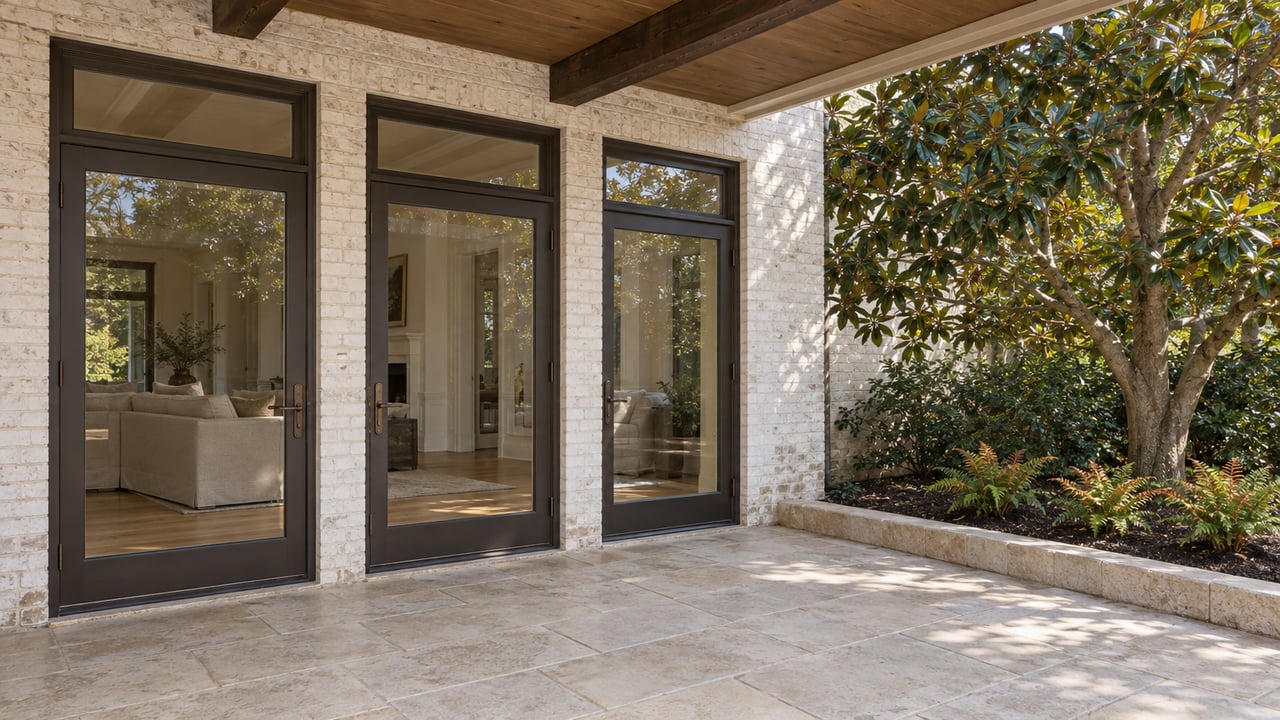
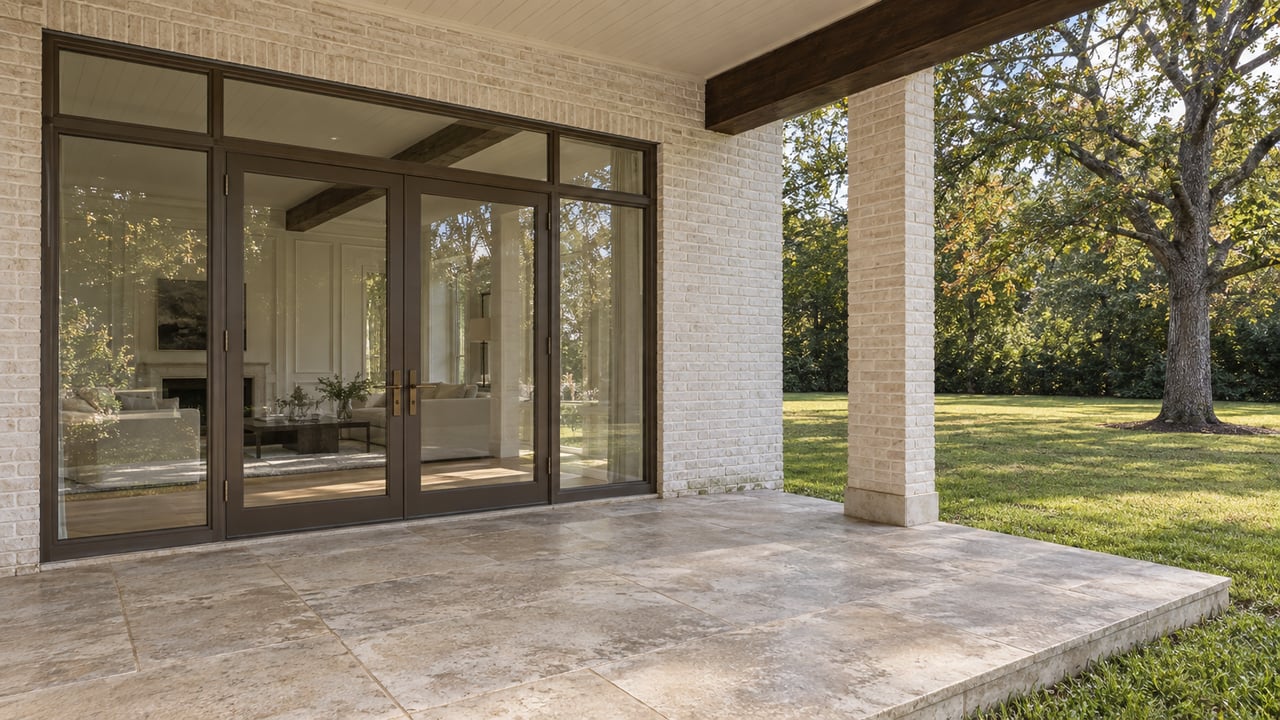
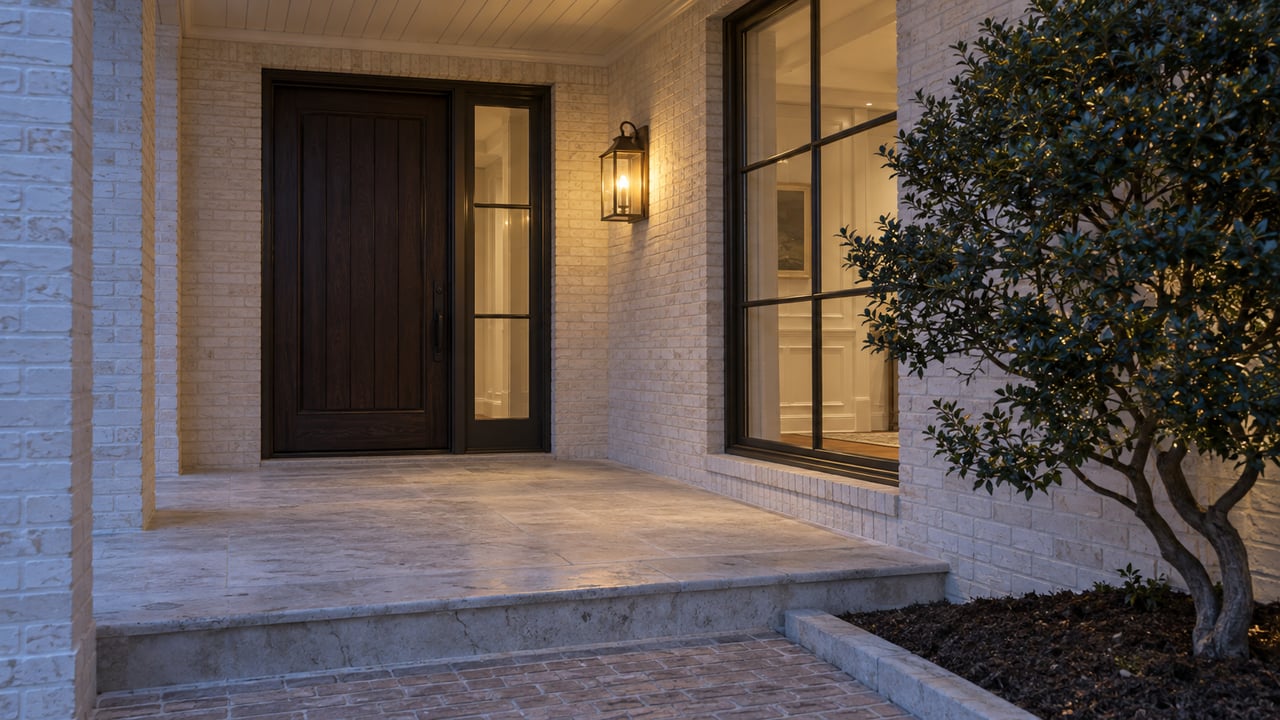
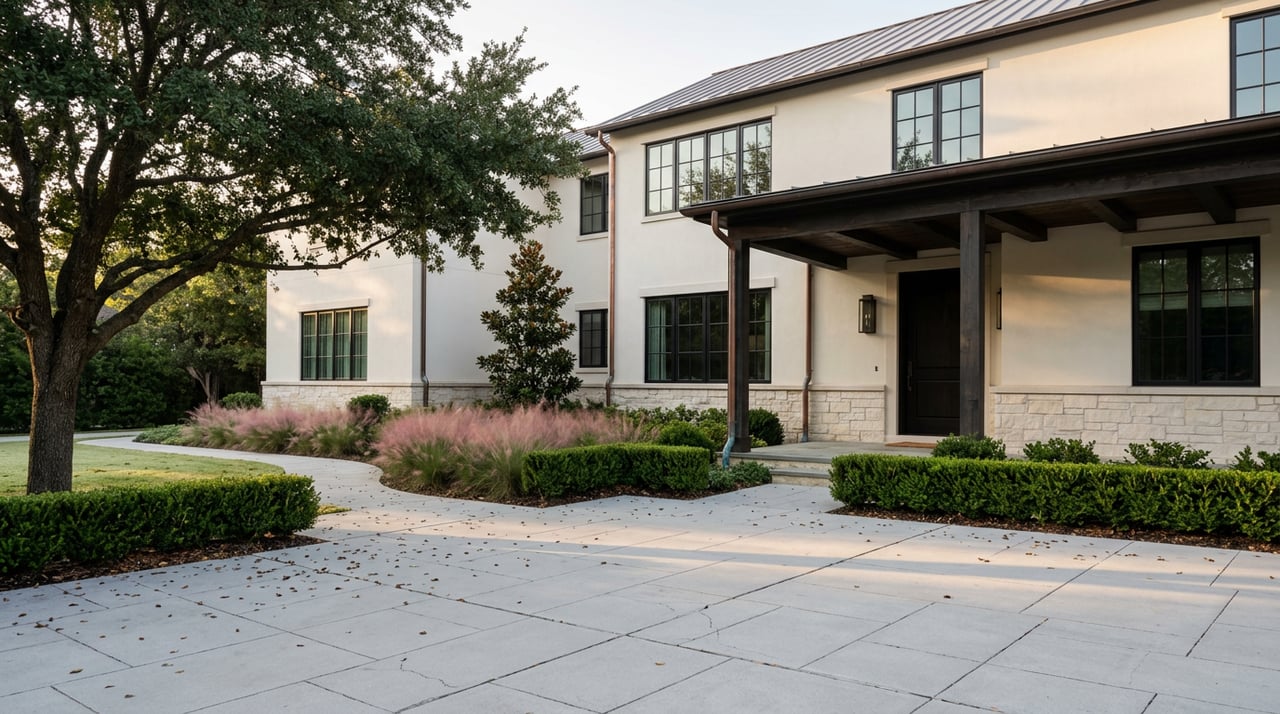
Newer homes in Houston Heights bring a different experience. They often appeal to buyers who want a more current design approach and fewer immediate exterior projects.
Still, newer does not mean anything goes. In the Heights historic districts, the City of Houston says new construction does not need to copy older homes, but it does need to relate to the surrounding context through mass, form, scale, proportion, siting, and materials.
Newer Homes Still Follow the Block
A modern home in the Heights can absolutely have a contemporary look. However, it is still shaped by traditional site rules in many areas.
Published standards in Heights historic districts call for front setbacks within the prevailing range on the block. They also address side setbacks, lot coverage, and garage placement. Rear-half garage placement is generally preferred, while attached or front-mounted garages are treated as incompatible in the historic context.
Why Buyers Choose Newer Homes
For some buyers, the biggest draw is convenience. A newer home may align more closely with current design preferences and may reduce the need for immediate exterior repairs or restoration work.
That can be especially appealing if you want a more turnkey move. You may still have rules to navigate, but the day-to-day ownership experience can feel different from maintaining a century-old home.
Historic District Rules Matter
One of the biggest decision points is whether the home is inside a city historic district, subject to deed restrictions, or both. These are not the same thing, and they can affect what you can change later.
In the historic district context, the focus is often on preserving the character of the street and the home’s exterior features. In deed-restricted areas, there may also be limits on the type of dwelling allowed, accessory structures, setbacks, and coverage.
Exterior Changes Can Be Limited
For bungalow buyers, this matters because many of the most charming features are also the features local guidance wants preserved. That can include original siding, porch details, window proportions, and rooflines.
For newer-home buyers, restrictions can still shape future plans. If you are thinking about expansions, garage changes, or accessory structures, it is smart to verify what is allowed before you fall in love with a property.
Lot Size, Setbacks, and Buildability
In Houston Heights, the lot can be just as important as the house. The City notes that deed restrictions vary lot by lot, and some blocks are also governed by minimum building line or minimum lot size rules.
There are also narrower 33-foot-wide lots in parts of Heights West, including along Ashland, Rutland, and Tulane. That can affect how a home sits on the property and what future changes may be possible.
Narrow and Corner Lots Need Extra Attention
If you are considering a narrow lot or a corner lot, ask how much of the lot remains buildable under local lot-coverage rules. Also ask whether street-facing setbacks are tighter on that block or along a major thoroughfare such as Heights Boulevard.
This is one reason the bungalow-versus-newer decision is never just about style. It is also about flexibility, footprint, and how the lot supports your plans.
Bungalow or Newer Home: A Simple Comparison
Here is a practical way to think about the choice:
| If you value... | A bungalow may fit better | A newer home may fit better |
|---|---|---|
| Original neighborhood character | Yes | Sometimes |
| Porch-centered streetscape | Yes | Sometimes |
| Historic architectural details | Yes | Less often |
| Fewer immediate exterior projects | Less likely | More likely |
| Current design norms | Less likely | Yes |
| Potentially simpler upkeep | Less likely | More likely |
This is not a rule for every property. In Houston Heights, the block, lot, restrictions, and condition of the home all matter.
Questions to Ask Before You Buy
Whether you lean historic or newer, asking the right questions can save you time and stress.
Ask These at Showings
- Is the property inside a city historic district, deed-restricted, or both?
- Did any prior exterior work require a Certificate of Appropriateness?
- Does the lot have a minimum building line or minimum lot size designation?
- What type of foundation does the home have?
- How are the roof, windows, porch, and garage configured?
- If there is a detached garage or garage apartment potential, does the lot support it under setback, coverage, and height rules?
These questions help you compare homes on more than looks alone. They also help you understand how the property may function for you long term.
How to Decide What Fits You Best
If you love historic texture, classic proportions, and a strong connection to the Heights’ original streetscape, a bungalow may be the better fit. You may be taking on more stewardship, but for the right buyer, that is part of the appeal.
If you prefer a home shaped more by current design norms and you want to reduce the chance of near-term exterior projects, newer construction may make more sense. You can still enjoy the Heights setting while choosing a home that feels more aligned with your day-to-day lifestyle.
The key is not asking which option is better in general. The better question is which option fits your priorities, comfort level, and plans for the property.
If you are weighing character against convenience, it helps to have a calm, strategic second opinion. Melissa King offers a high-touch, consultative approach so you can evaluate Houston Heights homes with more clarity and less stress.
FAQs
What is a bungalow in Houston Heights?
- In Houston Heights, a bungalow usually refers to a Craftsman-era home built roughly from 1905 to 1925, often with a front porch, wood siding, grouped windows, and a raised pier-and-beam foundation.
Are newer homes allowed in Houston Heights historic districts?
- Yes. The City of Houston says new homes do not have to mimic older houses, but they should relate to the block through scale, mass, form, siting, proportion, and materials.
Do Houston Heights homes have the same rules on every block?
- No. The Heights varies block by block, with differences in deed restrictions, historic district status, minimum building line rules, and minimum lot size rules.
What should buyers ask about a Houston Heights property?
- Ask whether the home is in a historic district or deed-restricted area, whether prior exterior work needed approval, and how the lot, foundation, roof, windows, porch, and garage are configured.
Are narrow lots common in Houston Heights?
- In some parts of Heights West, yes. The City identifies 33-foot-wide lots along Ashland, Rutland, and Tulane, which can affect buildability and future plans.
Is a newer Houston Heights home always easier to own?
- Not always, but newer homes may appeal to buyers who want a home shaped by current design norms and who prefer fewer immediate exterior projects.