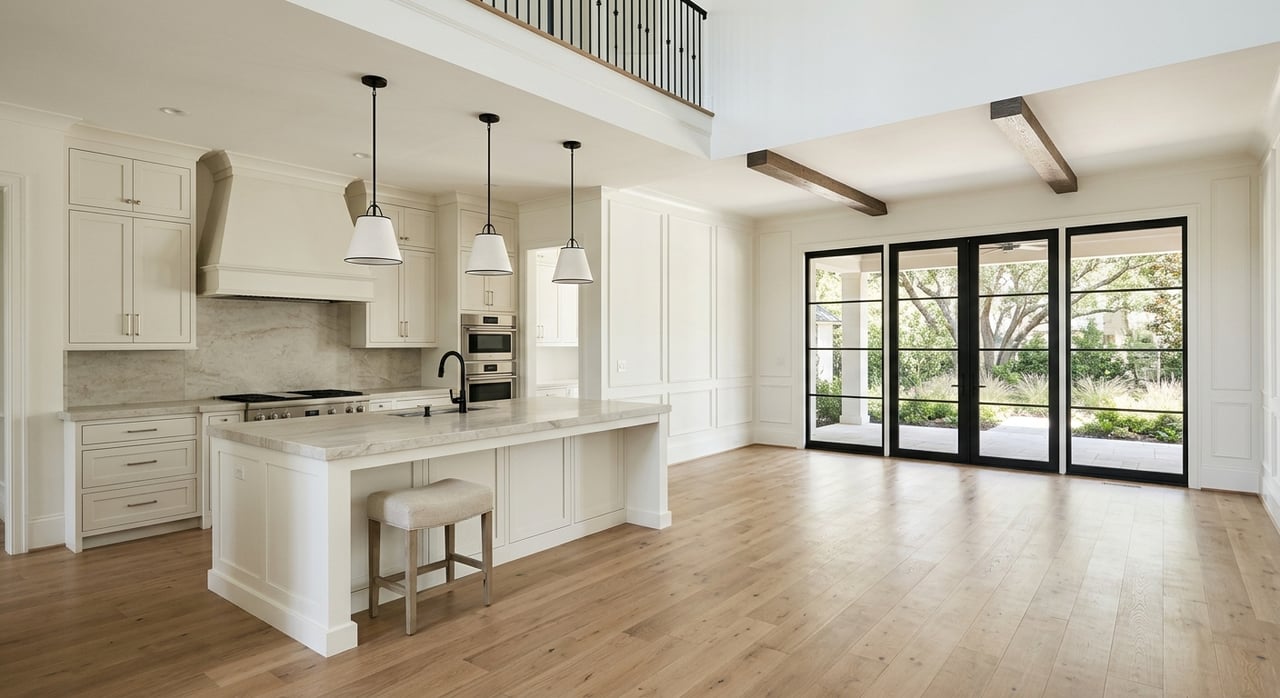
Thinking about moving up in The Woodlands? A bigger home can solve the space crunch, but in this market, the smartest move is not just finding more square footage. You also need a plan for timing, financing, village fit, and how your current home sale supports the next purchase. This guide will help you map out the move with more clarity and less stress. Let’s dive in.
Why upsizing in The Woodlands takes strategy
Moving up in The Woodlands is different from upsizing in a typical city. The Woodlands is a special-purpose district, not an incorporated city, so services can vary by exact address and may be handled by different counties or agencies. The Township’s address lookup tool can identify details like village, county, law enforcement agency, water provider, electricity provider, and school district.
That means your next home decision is about more than bedroom count. In The Woodlands, your move-up plan may also involve village identity, lot type, commute patterns, school zoning, and what you may want to change or improve after closing. If you are buying with long-term flexibility in mind, those details matter early.
Another important factor is property restrictions. Village associations are resident-led, and residential design review committees review exterior improvements. Many properties are also governed by covenants and standards that may require permits for construction, alterations, or repairs.
Start with your move-up numbers
Before you tour homes, get clear on what your next payment range and cash needs may look like. That starts with estimating your current equity, your likely sale proceeds, and how much home you want to comfortably carry. For many move-up buyers, this is the step that makes the rest of the process feel more manageable.
It also helps you avoid shopping too broadly. A clear budget can narrow your search to the right villages, lot sizes, and home styles from the beginning. That saves time and keeps your choices aligned with your real goals.
Understand today’s Woodlands market
Current market signals suggest that timing still matters, but you may have more options than buyers had in tighter periods. HAR’s July 2026 market-area update describes The Woodlands as a seller’s market with 3.6 months of inventory, 31.0 days on market, a median sold price of $840,167, and listings up 15.4% year over year.
For move-up buyers, that can create a useful middle ground. You may see more inventory and more choice, while still needing a smart strategy if you are also selling. For sellers, it is a reminder that pricing still needs to be disciplined, even in a seller’s market.
It is also important to know that citywide numbers do not tell the whole story. Realtor.com’s June 2026 data for The Woodlands shows a median listing price of $625,000, a median sold price of $573,437, 37 days on market, and 576 active listings. That spread compared with HAR’s market-area numbers shows how much results can vary by property mix and data source.
At the neighborhood level, the differences can be even bigger. In June 2026, Realtor.com showed Grogan’s Point with a median listing price of $1.6 million, 5 homes for sale, and 61 days on market. If you are moving into a higher-end segment, neighborhood-level comps matter far more than a single average for all of The Woodlands.
Decide whether to buy first or sell first
For many homeowners, this is the biggest move-up question. If you need the equity from your current home to buy the next one, your financing path will shape your timing, your offer strength, and your stress level.
A preapproval is one of the first steps to take. The CFPB says a preapproval letter is a lender’s tentative commitment, not a guaranteed loan offer, and sellers often require one before accepting an offer. It also notes that preapproval letters typically expire in 30 to 60 days.
The CFPB also recommends asking at least three lenders for preapproval. That gives you a better way to compare how much you may be able to borrow and what rate structure you may pay. Before applying, it also helps to review your credit and avoid taking on new debt right before buying.
When selling first may make sense
Selling first can give you the clearest budget for your next home. You will know your sale proceeds, your available cash, and your monthly payment range with more confidence. That can make your purchase decisions simpler and reduce the risk of carrying two homes at once.
The tradeoff is timing. You may need temporary housing or a carefully coordinated closing schedule if you do not want a gap between homes. In a move-up situation, planning these dates early can make a major difference.
When buying first may make sense
Buying first can be appealing if you want a smoother household transition or you are trying to secure a specific home before listing yours. But this route requires a realistic conversation with your lender about cost, timing, and whether carrying two transactions at once is comfortable for your household.
If that is your goal, ask about bridge financing and compare it with using a home-sale contingency. The CFPB recognizes bridge loans as short-term financing, and Freddie Mac notes that a home-sale contingency is a normal tool when a buyer needs to sell a current home to finance the next one. The challenge is that a contingency can make your offer less attractive to the seller.
Compare villages with your lifestyle in mind
In The Woodlands, village selection is a major part of a move-up plan. You are not just choosing a bigger house. You are choosing a setting, access pattern, and day-to-day rhythm that may shape your experience for years.
Central villages and established feel
Grogan’s Mill is the original village, and Panther Creek is one of the original villages as well. Panther Creek sits centrally with Lake Woodlands access, mature trees, scenic trails, and access to parks, schools, shopping, and entertainment. If you want an established feel with central convenience, these areas may deserve a close look.
Cochran’s Crossing is described by the Township as a well-established community with scenic parks, schools, the Palmer Course, shopping, and trails. Alden Bridge is one of the largest villages and is known for natural beauty, convenience, parks, trails, and schools. For buyers who want room to spread out while staying connected to daily amenities, both can be worth comparing.
Access-driven and newer options
College Park is one of the newest villages and sits on the northern edge near I-45 and Harper’s Landing, with shopping and medical access nearby. If commute access is a priority, this location may stand out during your search.
Creekside Park is located in Harris County, which is an important reminder that county location can change depending on where you buy in The Woodlands. The Township highlights its village association and meetings at Rob Fleming Park. If county differences matter to you for services or commute reasons, verify them by exact address.
Distinct atmosphere and amenities
Indian Springs is a smaller village known for natural beauty, winding streets, and a serene atmosphere. Sterling Ridge blends residential charm with parks, schools, retail, and a golf-course setting. If your move-up goal includes a quieter setting or a different visual character, these villages may fit that next chapter.
Town Center offers a very different lifestyle. It is anchored by The Woodlands Mall, Market Street, Hughes Landing, the Waterway, and The Cynthia Woods Mitchell Pavilion. If you want an amenity-rich location with strong access to dining, shopping, and entertainment, that can shape your search in a completely different way.
Verify school zoning by address
If school attendance zones are part of your decision, verify them by exact address before writing an offer. In The Woodlands, village name alone is not enough. The Township’s address lookup tool can help identify school district information for a property.
Conroe ISD maintains separate The Woodlands and The Woodlands College Park feeder zones, and Tomball ISD’s 2024 boundary reset is a reminder that attendance zones can change. Even if a home appears to be in your preferred area, confirm the zoning details before you move forward.
Think ahead about renovation flexibility
Many move-up buyers plan to personalize the next home after closing. In The Woodlands, that idea should be part of your search, not an afterthought. Because many properties are subject to covenants, standards, and design review, changes to the exterior may require approvals or permits.
If you know you want a pool, outdoor kitchen, updated façade, or other exterior work, review those possibilities early. A home that seems perfect on paper may be less flexible than you expect. Planning ahead can protect both your budget and your timeline.
A practical move-up sequence
If you want to simplify the process, follow a clear sequence:
- Estimate your current equity and likely monthly payment for the next home.
- Get preapproved and compare options from at least three lenders.
- Review neighborhood-level market data, not just citywide averages.
- Decide whether selling first, buying first, a home-sale contingency, or bridge financing best fits your timeline.
- Narrow your search by village, commute pattern, school zoning, and renovation flexibility.
This kind of planning reduces surprises. It also helps you compete more effectively when the right home appears.
A move-up purchase is both a financial decision and a life transition. With the right strategy, you can protect your equity, reduce friction, and land in a home that truly fits your next stage.
If you are thinking about moving up in The Woodlands, Melissa King can help you build a tailored plan for both the sale of your current home and the purchase of your next one, with the hands-on guidance and local insight that make the process feel much more manageable.
FAQs
What makes moving up in The Woodlands different from other areas?
- The Woodlands is organized by villages, and services, county details, school zoning, and property restrictions can vary by exact address, so your decision involves more than just home size.
What do current The Woodlands market conditions mean for move-up buyers?
- Current data points to a seller’s market, but with more listings available than in tighter periods, which may give you more choice while still requiring a smart pricing and timing plan.
Should you buy first or sell first when moving up in The Woodlands?
- The best choice depends on your equity, financing, and comfort with timing, so it is important to compare options like selling first, buying first, home-sale contingencies, and bridge financing.
Why should you verify school zoning by exact address in The Woodlands?
- School zoning can vary within The Woodlands and may change over time, so village name alone is not enough when you are evaluating a home.
Why do neighborhood-level comps matter when upsizing in The Woodlands?
- Pricing and days on market can vary widely by neighborhood and price point, especially in higher-end areas, so local comps give you a more accurate picture than citywide averages alone.